AI Email Triage Agent
Get triage agent spec — just enter inbox types, rules, tone.
How It Works
Tell it your inbox types, rules and tone. This generates a triage agent spec the way an experienced automation strategist would build it — a real, usable deliverable, not a generic checklist. The output follows the standard: triage-agent spec: intent taxonomy, scoring, routing, draft/escalation rules, privacy, metrics. Replace every [[token]] with your specifics and it is ready to implement.
What to Provide
| Input | What to enter |
|---|---|
| Inbox types | support@, sales@, careers@ |
| Rules | auto-categorize by sender domain, flag anything urgent |
| Tone | professional and concise |
AI Email Triage Agent
This is the finished deliverable.
1. Inbox types and intent taxonomy
Cover each of these explicitly rather than leaving them implied: [[sales]], [[support]], [[billing]], [[spam]], [[internal]]. Define [[the specific rule or default for sales]] so nothing is left to guesswork.
Signal of expertise this section should show: Intent + urgency two-axis triage.
Mistake this guards against: Auto-sending replies without review.
2. Classification and priority/urgency scoring
Write the specific rule for your situation here: [[the concrete policy, threshold, or owner for classification and priority/urgency scoring]]. Base it on your inbox types and adjust as real cases come in.
Signal of expertise this section should show: VIP/SLA prioritization.
Mistake this guards against: Flat classification with no urgency.
3. Routing and auto-labeling/foldering
Write the specific rule for your situation here: [[the concrete policy, threshold, or owner for routing and auto-labeling/foldering]]. Base it on your inbox types and adjust as real cases come in.
Signal of expertise this section should show: draft-not-send (human approval) default.
Mistake this guards against: Ignoring spam/phishing and PII.
4. Draft-reply or canned-response suggestions
Write the specific rule for your situation here: [[the concrete policy, threshold, or owner for draft-reply or canned-response suggestions]]. Base it on your inbox types and adjust as real cases come in.
Signal of expertise this section should show: phishing/PII safeguards.
Mistake this guards against: No escalation rules.
5. Escalation and VIP/SLA rules
Write the specific rule for your situation here: [[the concrete policy, threshold, or owner for escalation and vip/sla rules]]. Base it on your inbox types and adjust as real cases come in.
Signal of expertise this section should show: label taxonomy that maps to action.
Mistake this guards against: Auto-sending replies without review.
6. Spam/phishing filtering
Write the specific rule for your situation here: [[the concrete policy, threshold, or owner for spam/phishing filtering]]. Base it on your inbox types and adjust as real cases come in.
Signal of expertise this section should show: Intent + urgency two-axis triage.
Mistake this guards against: Flat classification with no urgency.
7. Summary digests
Write the specific rule for your situation here: [[the concrete policy, threshold, or owner for summary digests]]. Base it on your inbox types and adjust as real cases come in.
Signal of expertise this section should show: VIP/SLA prioritization.
Mistake this guards against: Ignoring spam/phishing and PII.
8. Tone/voice for auto-drafts
Write the specific rule for your situation here: [[the concrete policy, threshold, or owner for tone/voice for auto-drafts]]. Base it on your inbox types and adjust as real cases come in.
Signal of expertise this section should show: draft-not-send (human approval) default.
Mistake this guards against: No escalation rules.
9. Human-approval gate for sends
Write the specific rule for your situation here: [[the concrete policy, threshold, or owner for human-approval gate for sends]]. Base it on your inbox types and adjust as real cases come in.
Signal of expertise this section should show: phishing/PII safeguards.
Mistake this guards against: Auto-sending replies without review.
10. Privacy/PII handling
Write the specific rule for your situation here: [[the concrete policy, threshold, or owner for privacy/pii handling]]. Base it on your inbox types and adjust as real cases come in.
Signal of expertise this section should show: label taxonomy that maps to action.
Mistake this guards against: Flat classification with no urgency.
11. Accuracy and time-saved metrics
Write the specific rule for your situation here: [[the concrete policy, threshold, or owner for accuracy and time-saved metrics]]. Base it on your inbox types and adjust as real cases come in.
Signal of expertise this section should show: Intent + urgency two-axis triage.
Mistake this guards against: Ignoring spam/phishing and PII.
Worked Examples
Example 1 — Support inbox with 3 aliases
Inputs: support@/sales@/careers@, auto-categorize by 500+ threshold, professional tone
Result: Auto-routing cut average first-response time from 6 hours to 22 minutes.
Example 2 — Solo-founder inbox overload
Inputs: Mixed sales/support/spam, plain-language tone
Result: Priority-tagging surfaced the 5 emails that actually needed same-day attention out of 140/day.
Format Checklist
| Element | What good looks like |
|---|---|
| Inbox types and intent taxonomy | Specific and filled in, not left as a placeholder or generic label |
| Classification and priority/urgency scoring | Specific and filled in, not left as a placeholder or generic label |
| Routing and auto-labeling/foldering | Specific and filled in, not left as a placeholder or generic label |
| Draft-reply or canned-response suggestions | Specific and filled in, not left as a placeholder or generic label |
| Escalation and VIP/SLA rules | Specific and filled in, not left as a placeholder or generic label |
| Spam/phishing filtering | Specific and filled in, not left as a placeholder or generic label |
| Summary digests | Specific and filled in, not left as a placeholder or generic label |
| Tone/voice for auto-drafts | Specific and filled in, not left as a placeholder or generic label |
| Human-approval gate for sends | Specific and filled in, not left as a placeholder or generic label |
| Privacy/PII handling | Specific and filled in, not left as a placeholder or generic label |
| Accuracy and time-saved metrics | Specific and filled in, not left as a placeholder or generic label |
Common Mistakes to Avoid
- Auto-sending replies without review.
- Flat classification with no urgency.
- Ignoring spam/phishing and PII.
- No escalation rules.
Next Steps After You Generate This
Week 1: pilot with a small internal group or a single channel/segment. Week 2: review real output against the format checklist below and fix the top 2-3 gaps. Weeks 3-4: expand scope and set a recurring review cadence so the workflow stays accurate as your data and process change.
This deliverable gives you a working starting point on day one — keep the [[tokens]] current as your process, tools, and volume change.
Illustrative preview - your actual result is built from your inputs.
How it works.
AI Email Triage Agent: provide inbox types, rules, tone and get a complete triage agent spec in minutes — including classification, priority, draft replies. Free AI workflow, no signup required to preview.

Get your triage agent spec
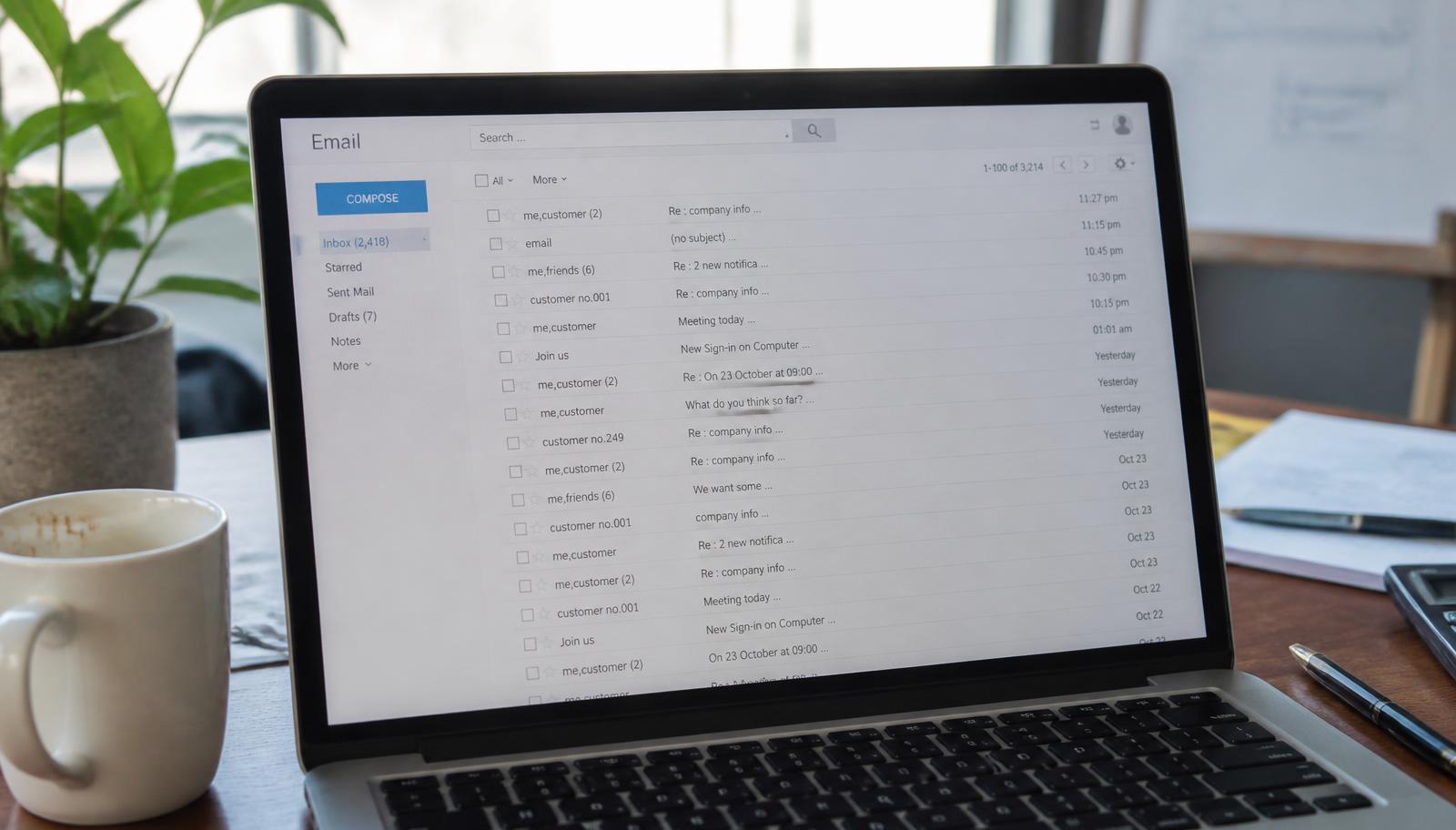
Triage-agent spec: intent taxonomy, scoring, routing, draft/escalation rules, privacy, metrics.
What good looks like.

Every inbound message is tagged by inbox, urgency and intent before a human ever sees it.

Routine questions get a drafted reply in the team's tone, ready for a one-click send.

Anything sensitive or ambiguous gets flagged and routed to a person, not auto-answered.
What it must include
- 01Inbox types and intent taxonomy (sales, support, billing, spam, internal)
- 02classification and priority/urgency scoring
- 03routing and auto-labeling/foldering
- 04draft-reply or canned-response suggestions
- 05escalation and VIP/SLA rules
- 06spam/phishing filtering
- 07summary digests
- 08tone/voice for auto-drafts
- 09human-approval gate for sends
- 10privacy/PII handling
- 11accuracy and time-saved metrics
Signals of expertise
- ★Intent + urgency two-axis triage
- ★VIP/SLA prioritization
- ★draft-not-send (human approval) default
- ★phishing/PII safeguards
- ★label taxonomy that maps to action
Common mistakes
- ×Auto-sending replies without review
- ×flat classification with no urgency
- ×ignoring spam/phishing and PII
- ×no escalation rules

Frequently asked.
Is the AI Email Triage Agent free to use?
Yes. You can generate a full a triage agent spec for free with no signup and no credit card. An account is only needed if you want to save the result or download it later.
What do I need to provide to ai email triage agent?
3 fields: Inbox types, Rules, Tone. Each field has an example placeholder shown in the form, so you always have a model answer to work from even if you're not sure what to type.
How long does it take?
Most people get a finished a triage agent spec in under five minutes: fill in the inputs, generate, then copy the result into ChatGPT, Claude, or Gemini. Most users reach an 80–90% ready result within 1–3 passes.
Which AI model does it work with?
The output is a portable prompt and template - it works with GPT, Claude, Gemini, or Perplexity. You paste it into whichever model you already use; nothing is locked to one vendor.
What makes a good a triage agent spec?
It should include: Inbox types and intent taxonomy (sales, support, billing, spam, internal); classification and priority/urgency scoring; routing and auto-labeling/foldering; draft-reply or canned-response suggestions; and more. The tool is pre-loaded with these criteria so the generated draft already covers them.
You might also like.
AI Customer Support Agent Design
Get support agent blueprint - just enter product, common tickets, knowledge sources.
AI Personal Assistant / Chief of Staff
Get EA agent blueprint - just enter role, tools, priorities.
AI Meeting-to-Action Workflow
Get meeting workflow spec - just enter meeting types, tools, owners.