AI Personalization Engine
Get personalization spec - just enter audience data, content, goals.
How It Works
Tell it your audience data, content and goals. This generates a personalization spec the way an experienced automation strategist would build it - a real, usable deliverable, not a generic checklist. The output follows the standard: personalization spec: data/signals, segments, decisioning logic, delivery, privacy, metrics, testing. Replace every [[token]] with your specifics and it is ready to implement.
What to Provide
| Input | What to enter |
|---|---|
| Audience data | CRM segments, on-site behavior, purchase history |
| Content | homepage hero, onboarding emails |
| Goals | lift homepage conversion rate |
AI Personalization Engine
This is the finished deliverable.
1. Audience data inputs and segmentation
Write the specific rule for your situation here: [[the concrete policy, threshold, or owner for audience data inputs and segmentation]]. Base it on your audience data and adjust as real cases come in.
Signal of expertise this section should show: Distinguishes rule-based from ML personalization.
Mistake this guards against: Personalization with no consent/privacy layer.
2. Signals/features used
Cover each of these explicitly rather than leaving them implied: [[behavioral]], [[contextual]], [[demographic]]. Define [[the specific rule or default for behavioral]] so nothing is left to guesswork.
Signal of expertise this section should show: defines a feature/signal taxonomy.
Mistake this guards against: No measurement/holdout.
3. Personalization logic
Cover each of these explicitly rather than leaving them implied: [[rules vs ML]], [[recommendation approach]]. Define [[the specific rule or default for rules vs ML]] so nothing is left to guesswork.
Signal of expertise this section should show: and builds in consent management and measurement of incremental lift via holdouts.
Mistake this guards against: Vague 'use AI' with no signal definition.
4. Content/variant mapping per segment
Write the specific rule for your situation here: [[the concrete policy, threshold, or owner for content/variant mapping per segment]]. Base it on your audience data and adjust as real cases come in.
Signal of expertise this section should show: Distinguishes rule-based from ML personalization.
Mistake this guards against: Personalization with no consent/privacy layer.
5. Decisioning and delivery layer
Write the specific rule for your situation here: [[the concrete policy, threshold, or owner for decisioning and delivery layer]]. Base it on your audience data and adjust as real cases come in.
Signal of expertise this section should show: defines a feature/signal taxonomy.
Mistake this guards against: No measurement/holdout.
6. Privacy/consent and data governance
Cover each of these explicitly rather than leaving them implied: [[GDPR]], [[CCPA]]. Define [[the specific rule or default for GDPR]] so nothing is left to guesswork.
Signal of expertise this section should show: and builds in consent management and measurement of incremental lift via holdouts.
Mistake this guards against: Vague 'use AI' with no signal definition.
7. Success metrics
Cover each of these explicitly rather than leaving them implied: [[lift]], [[conversion]]. Define [[the specific rule or default for lift]] so nothing is left to guesswork.
Signal of expertise this section should show: Distinguishes rule-based from ML personalization.
Mistake this guards against: Personalization with no consent/privacy layer.
8. And an experimentation/A-B framework
Write the specific rule for your situation here: [[the concrete policy, threshold, or owner for and an experimentation/a-b framework]]. Base it on your audience data and adjust as real cases come in.
Signal of expertise this section should show: defines a feature/signal taxonomy.
Mistake this guards against: No measurement/holdout.
Worked Examples
Example 1 - E-commerce brand's homepage
Inputs: CRM segments + on-site behavior, rule-based + ML hybrid, GDPR consent
Result: Segment-based homepage variants lifted conversion 18% with holdout-measured incremental lift, not vanity clicks.
Example 2 - SaaS onboarding emails
Inputs: Purchase history + product usage signals, A/B experimentation framework
Result: Consent-gated personalization avoided a compliance review flag while still lifting activation rate 12%.
Format Checklist
| Element | What good looks like |
|---|---|
| Audience data inputs and segmentation | Specific and filled in, not left as a placeholder or generic label |
| Signals/features used | Specific and filled in, not left as a placeholder or generic label |
| Personalization logic | Specific and filled in, not left as a placeholder or generic label |
| Content/variant mapping per segment | Specific and filled in, not left as a placeholder or generic label |
| Decisioning and delivery layer | Specific and filled in, not left as a placeholder or generic label |
| Privacy/consent | Specific and filled in, not left as a placeholder or generic label |
| Success metrics | Specific and filled in, not left as a placeholder or generic label |
| And an experimentation/A-B framework | Specific and filled in, not left as a placeholder or generic label |
Common Mistakes to Avoid
- Personalization with no consent/privacy layer.
- No measurement/holdout.
- Vague 'use AI' with no signal definition.
Next Steps After You Generate This
Week 1: pilot with a small internal group or a single channel/segment. Week 2: review real output against the format checklist below and fix the top 2-3 gaps. Weeks 3-4: expand scope and set a recurring review cadence so the workflow stays accurate as your data and process change.
This deliverable gives you a working starting point on day one - keep the [[tokens]] current as your process, tools, and volume change.
Illustrative preview - your actual result is built from your inputs.
How it works.
AI Personalization Engine: provide audience data, content, goals and get a complete personalization spec in minutes - including segments, rules, generation prompts. Free AI workflow, no signup required to preview.

Get your personalization spec

Personalization spec: data/signals, segments, decisioning logic, delivery, privacy, metrics, testing.
What good looks like.
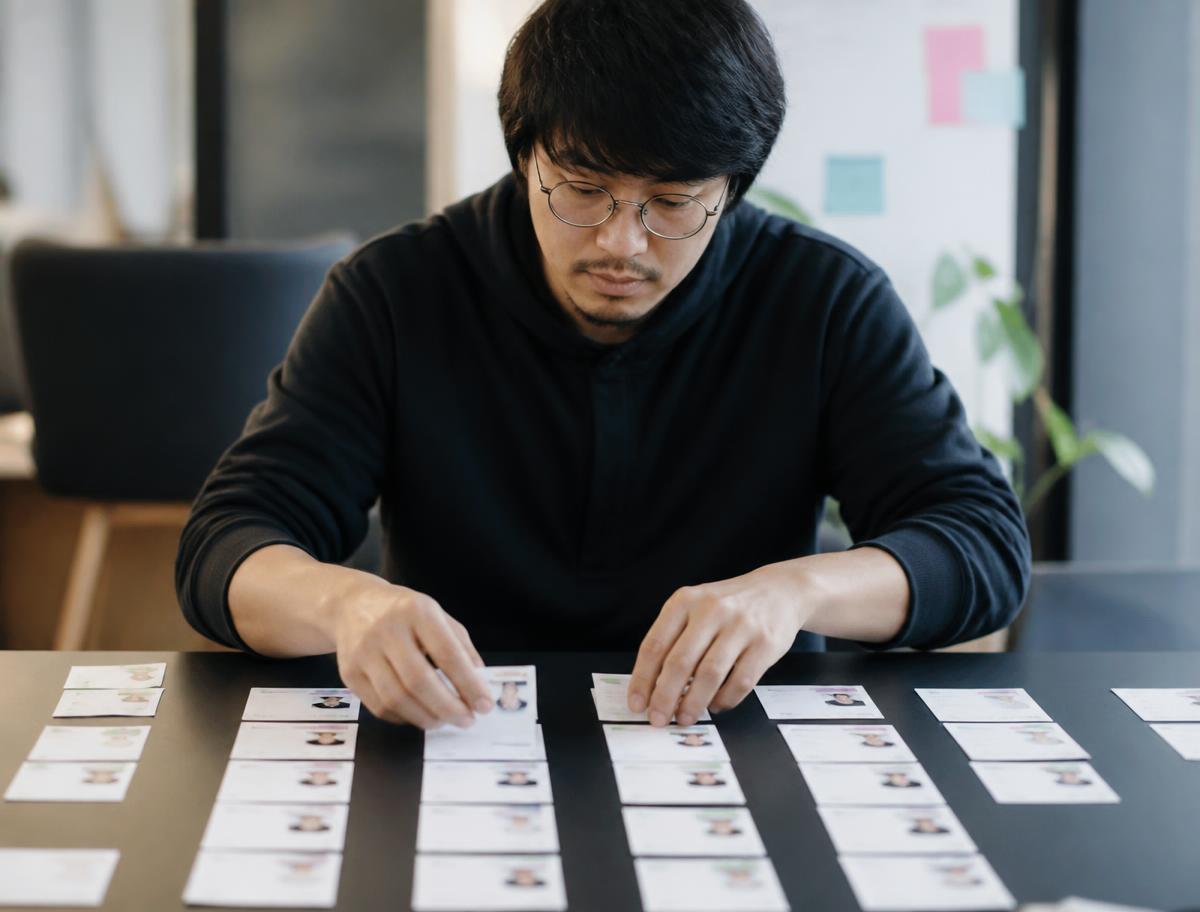
Behaviour, stage and value - three cuts that change what you should say.

Every variant is read on the device it will land on before it ships.

The winner is the one with lift, not the one the team liked in the meeting.
What it must include
- 01Audience data inputs and segmentation
- 02signals/features used (behavioral, contextual, demographic)
- 03personalization logic (rules vs ML, recommendation approach)
- 04content/variant mapping per segment
- 05decisioning and delivery layer
- 06privacy/consent (GDPR/CCPA) and data governance
- 07success metrics (lift, conversion)
- 08and an experimentation/A-B framework
Signals of expertise
- ★Distinguishes rule-based from ML personalization
- ★defines a feature/signal taxonomy
- ★and builds in consent management and measurement of incremental lift via holdouts
Common mistakes
- ×Personalization with no consent/privacy layer
- ×no measurement/holdout
- ×vague 'use AI' with no signal definition

Frequently asked.
Is the AI Personalization Engine free to use?
Yes. You can generate a full a personalization spec for free with no signup and no credit card. An account is only needed if you want to save the result or download it later.
What do I need to provide to ai personalization engine?
3 fields: Audience data, Content, Goals. Each field has an example placeholder shown in the form, so you always have a model answer to work from even if you're not sure what to type.
How long does it take?
Most people get a finished a personalization spec in under five minutes: fill in the inputs, generate, then copy the result into ChatGPT, Claude, or Gemini. Most users reach an 80–90% ready result within 1–3 passes.
Which AI model does it work with?
The output is a portable prompt and template - it works with GPT, Claude, Gemini, or Perplexity. You paste it into whichever model you already use; nothing is locked to one vendor.
What makes a good a personalization spec?
It should include: Audience data inputs and segmentation; signals/features used (behavioral, contextual, demographic); personalization logic (rules vs ML, recommendation approach); content/variant mapping per segment; and more. The tool is pre-loaded with these criteria so the generated draft already covers them.
You might also like.
AI Data Enrichment Workflow
Get enrichment workflow - just enter records, fields, sources.
AI Social Media Manager Workflow
Get social agent blueprint - just enter brand, platforms, goals.
AI Content Repurposing Engine
Get content engine spec - just enter source format, target channels, brand voice.